
AR New into Old awards 2025 winners
From a cluster of self-built houses in China to a Belgian monastery estate, the 2025 winners of the AR New into Old awards show how adaptive reuse gives existing buildings a new lease of life.
Winner
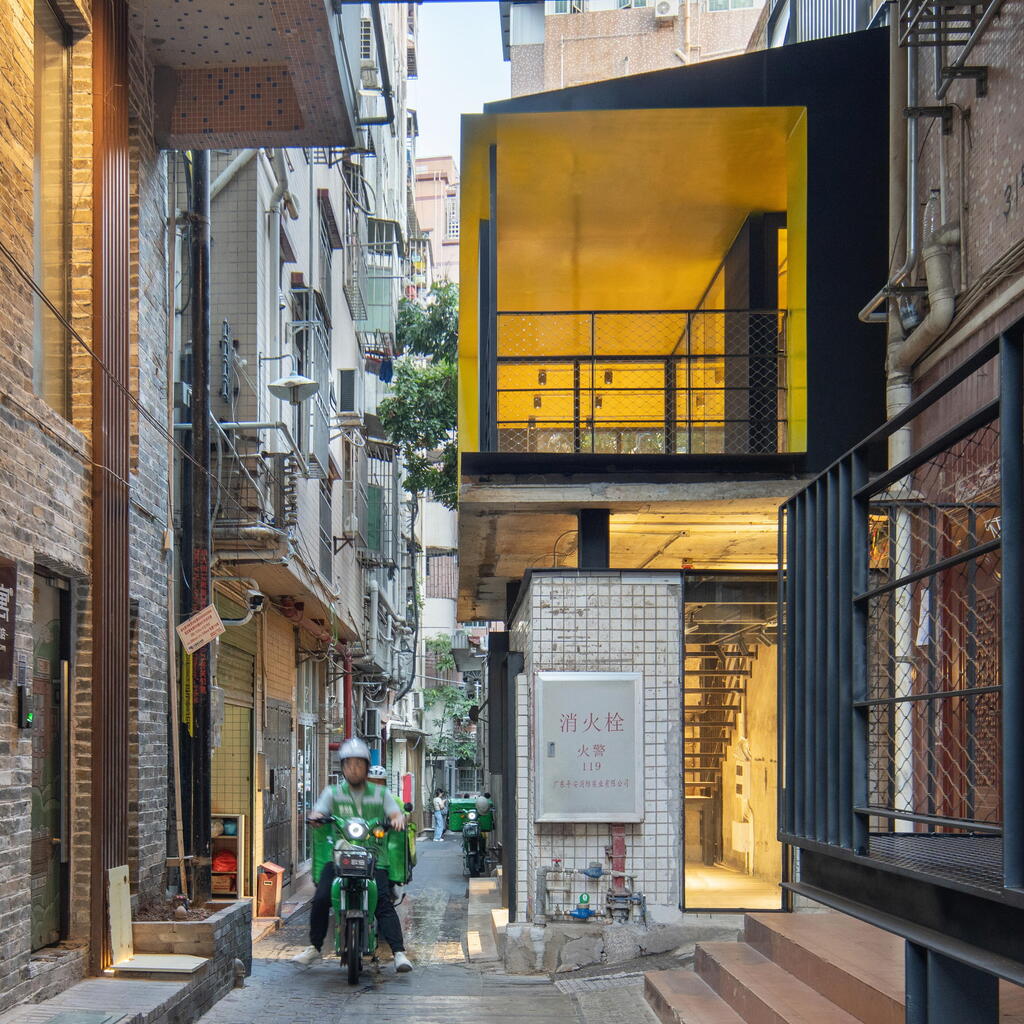
Bricolage houses, ARCity Office, China
ARCity Office has transformed six self-built structures in Shenzhen’s urban village of Nantou into public, mixed-use spaces through small-scale, low-cost interventions. Developed with local residents, the project includes rooftop terraces, exhibition spaces and performance balconies, offering a sensitive alternative to large-scale urban renewal and supporting a more inclusive vision for city living where art and culture play a central role.
Highly commended

Li Hongzhang ancestral hall pond, Architects and Engineers of Southeast University (AESEU), China
‘AESEU’s architectural intervention at the Li Hongzhang ancestral hall pond resists simplification, employing minimal, modern materials and techniques – a steel basin, exposed pile foundations, prefabrication – to craft a space that provokes inquiry rather than nostalgia.’
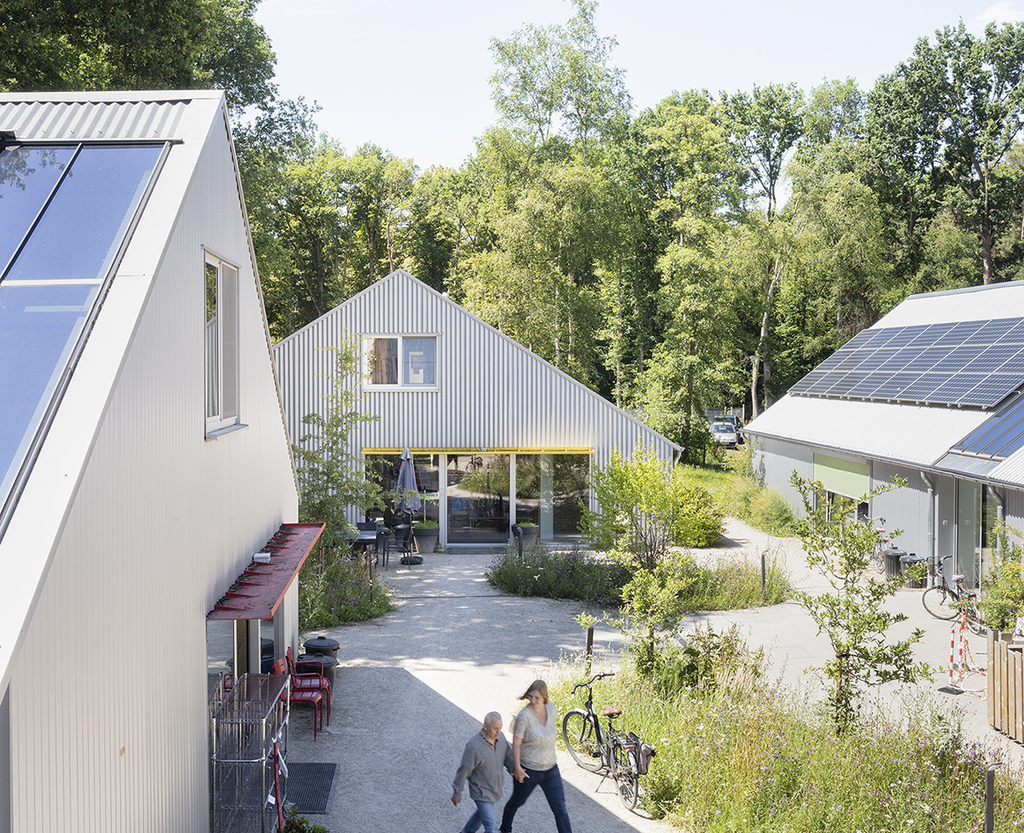
Monnikenbos, UR architects, Belgium
‘UR Architects’ deceptively simple transformation of Monnikenbos rationalises a grouping of clustered care dwellings, while creating a more generous domestic environment for the residents.’
Commended
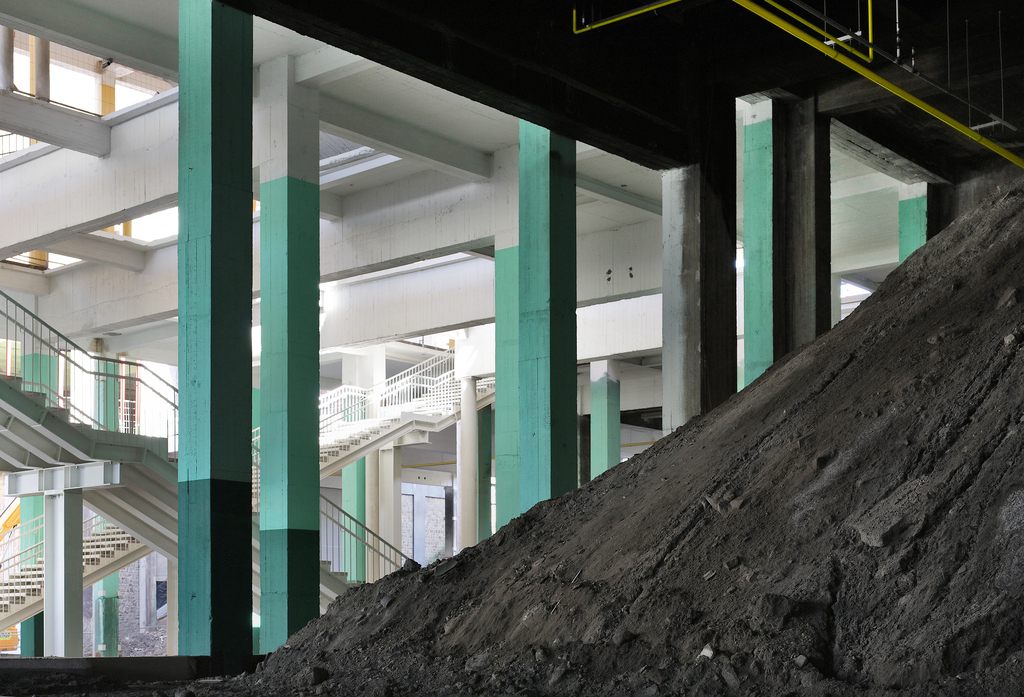
Grand Palais, Architecten Jan de Vylder Inge Vinck and AgwA, Belgium
‘Working mainly through subtraction, Grand Palais is equally inventive and sensitive to the existing fabric. The architects have curated an intriguing experience of post-industrial ruin. Their openness to designing ‘on the go’ to resolve financial, structural and political issues is to be commended.’
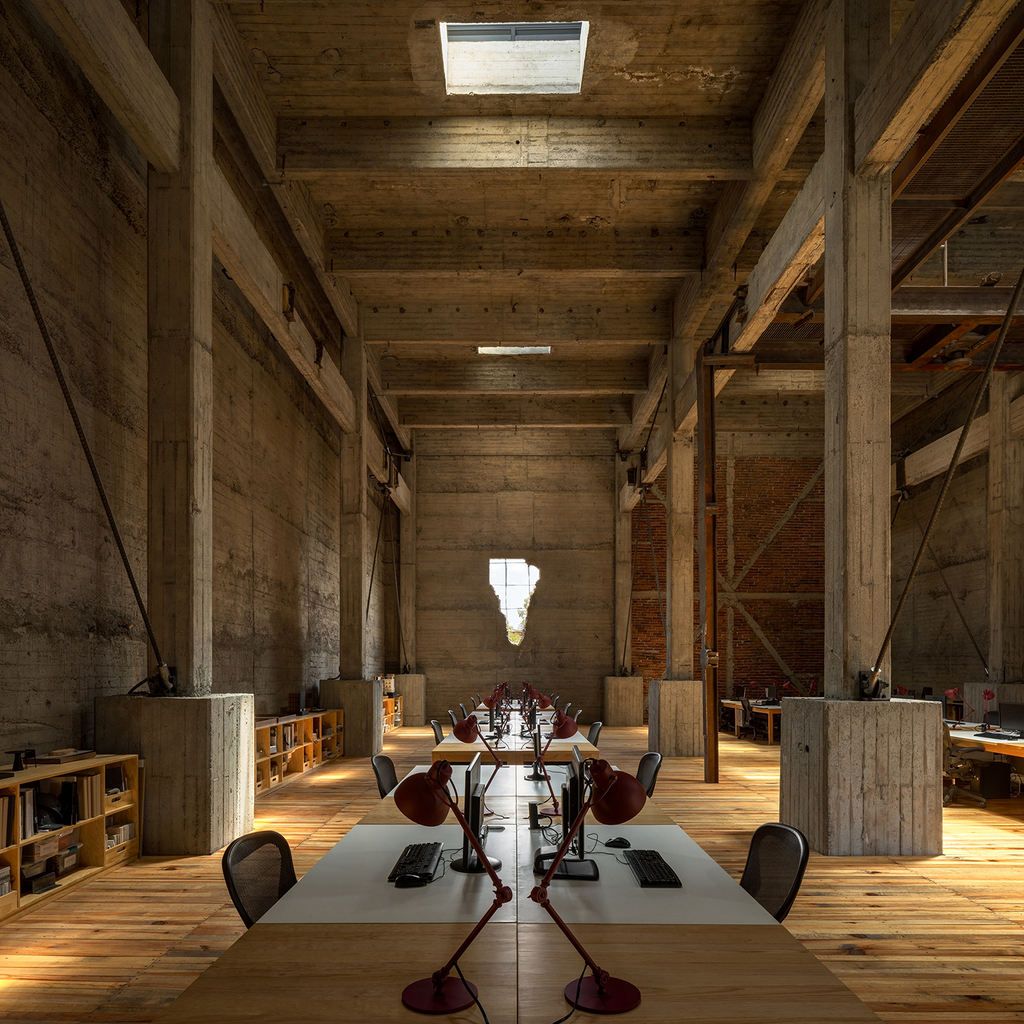
La Fábrica de Hielo, JSa, Mexico
‘La Fábrica de Hielo is a persuasive example of light-touch change, adapting uses to found spaces. Its charm lies in the architects’ respect of the old, a sense of community and a clear understanding of priorities. Gardens are integrally conceived, turning this relic of energy intensive industry into a geological host structure for habitats characteristic of the region.’
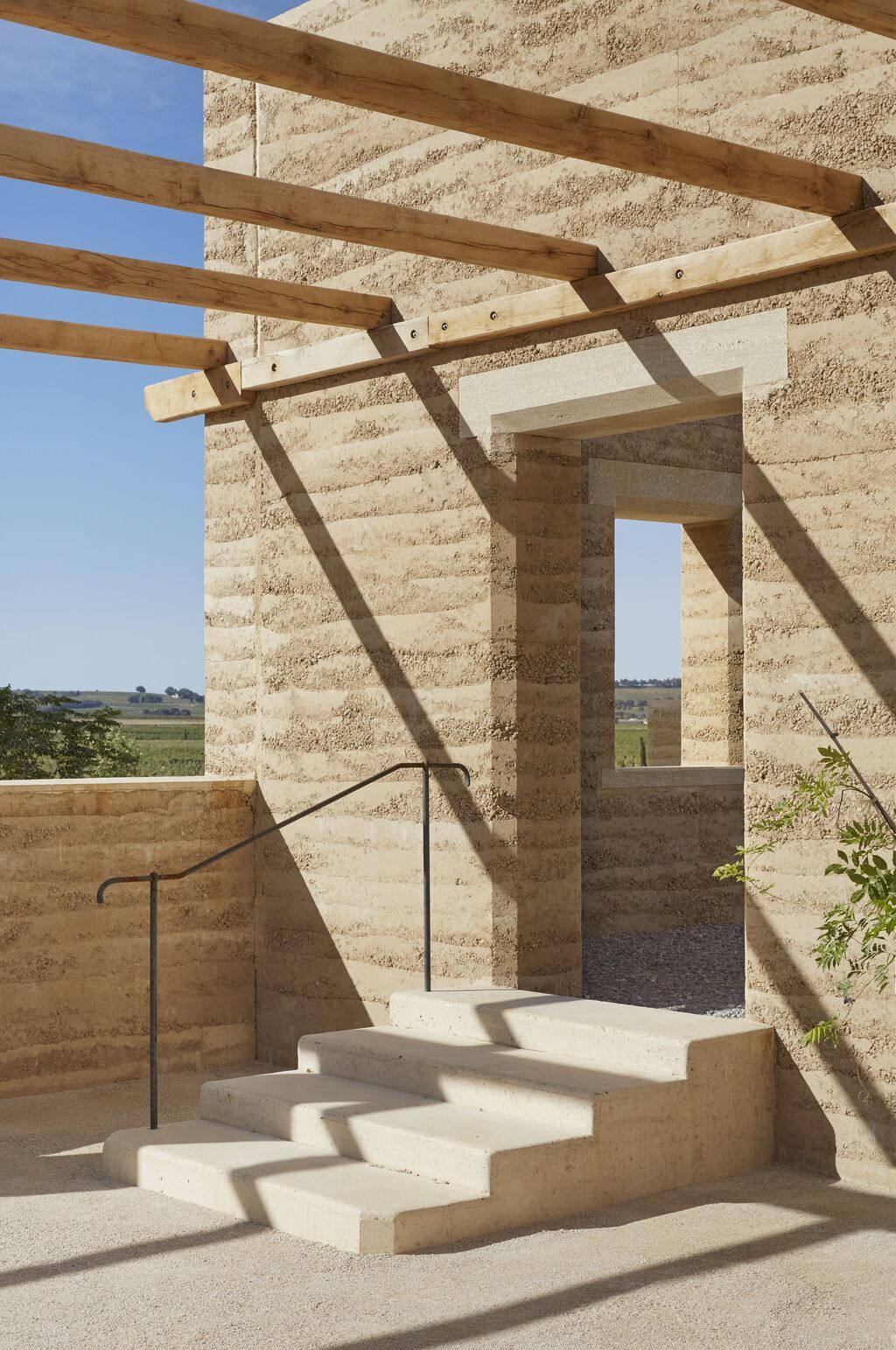
Château de Beaucastel, Studio Mumbai and Studio Méditerranée, France
‘Château de Beaucastel exemplifies a critical recalibration of heritage architecture, resisting commodification and ecological inertia by anchoring innovation in local geology and craft. The designers reject flamboyant gestures, opting instead for parsimonious resilience. Their exploratory material approach is commendable’.